Author Archives: Author

Boötes star Constellations Astronomy Information

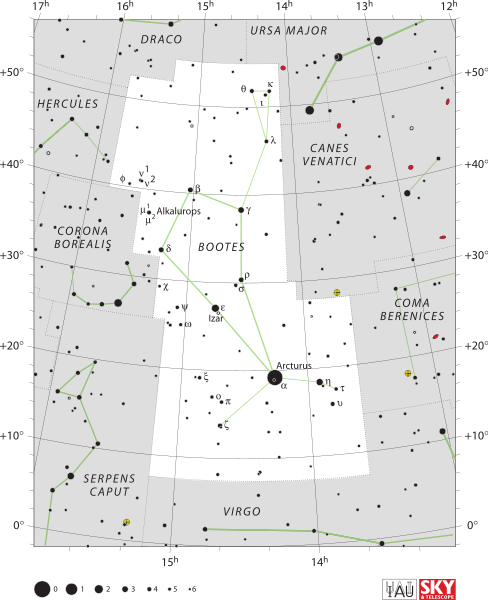
The first interesting thing about this constellation is its name which is dervied from Βοώτης, Boōtēs that means ox-driver, or herdsman. This name is attributed to the patron of farmers or the god Enlil (the leader of Babylonian pantheon). Its shape, however, was also likened to a kite or ice cream cone. Boötes was also listed among the 48 constellation listed by Ptolemy and still makes the list among the 88 modern constellations.  Arcturus, an orange giant, and the fourth brightest star in the night sky. Epsilon Bootis is a colorful multiple star which is popular among amatuer astronomers.  Eta Boötis is a spectroscopic binary, nine times brighter than our Sun. Beta Boötis is a yellow giant, and Gamma Boötis is a white giant.

Delta Boötis is a wide double star, the primary star is a yellow giant and the secondary componet is a yellow main sequence star. Mu Boötis (Alkalurops) is a famous triple star (same as the other triple star Epsilon Boötis) located 121 light-years away from Earth. Epsilon Boötis is also called Izar (loincloth in Arabic) or Pulcherrima (most beautiful in Latin). Among other multiple stars located in this constellation, Xi Boötis is a quadruple star, Pi Boötis is a triple star, and Zeta Boötis is a triple star. Zeta Boötis contains a physical binary plus an optical companion to this binary system. 44 Boötis (i Boötis) is a yellow star to naked eye, and is a double variable star very close to Earth (42 light-years away). The orbital period of this double star is 220 years. ZZ Boötis is an eclipsing binary star system. T Boötis is a particular case, as it is a nova, and a nova is classified as a transient astronomical event. A nova is the sudden brightness of a star that fades away and there are a number of reasons behind this event. T Boötis was observed in the April of 1860, and was never observed again.

Boötes is not only home to many multiple stellar systems, but also stars hosting multiple planets or single planets. Wasp-14 is a F5V-type star hosting a curious exoplanet. WASP-14 b is one of the densest exoplnets discovered so far (7.341 MJ and 1.281 RJ) via transient method. Tau Boötis is a star in Boötes constellation which is orbited by a giant planet (with a period of 3.31 days and 5.95 Jupiter masses, thus this planet is a hot Jupiter) and has a companion GJ527B. HD 128311 hosts two planets, and  HD 132406 is a G0V star (like our Sun) hosting a gas giant discovered in 2007. WASP-23 also hosts one planet, and HD 131496 is a K0 star orbited by one planet. HD 132563 is a triple sytem with one component being a planet (this planet was discovered in 2011 by radial velocity method). Triple systems like HD 132563 which consist of one planet and two stars are rather rare (or not many of them has been confirmed yet) and are a hot topic in astronomy these days.

29 stars in total are visible to naked eye in night sky in Boötes constellation. Boötes is surrounded by Coma, Virgo, Canes Venatici, Hercules, and Ursa Major.
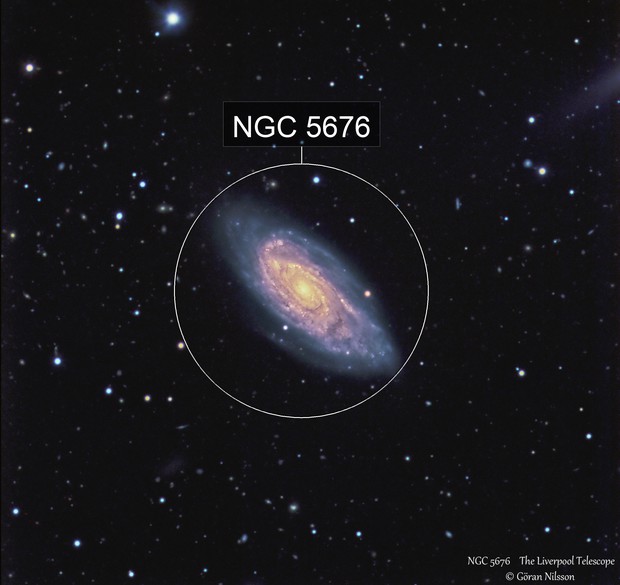
The deep sky objects of Boötes are plenty, among which are globular cluster NGC 5466. As of galaxies, NGC 5248 (Caldwell 45) is a spiral galaxy lying 50 million light-years away from Earth and is a member of Virgo galaxy cluster. NGC 5676 is another spiral galaxy located in Boötes.
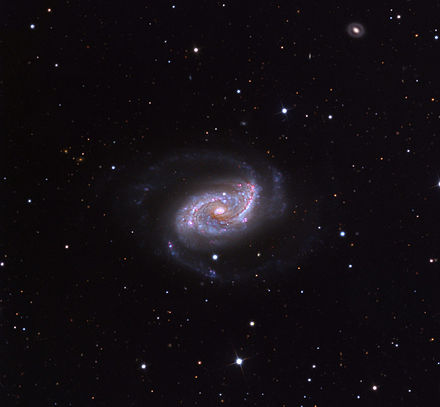
NGC 5248 (Caldwell 45). The image credits go to wikimedia.

The image credits go to Liverpool Telescope.

NGC 5548 is a particular galaxy in this constellation, as it is a Seyfert galaxy. A Seyfert galaxy is a type of galaxy which has an active nucleus at the center (quasar-like center) with a high surface brightness. There is a supermassive black hole (or another dark, very massive object) at the center of this galaxy which amke its center appear so bright.
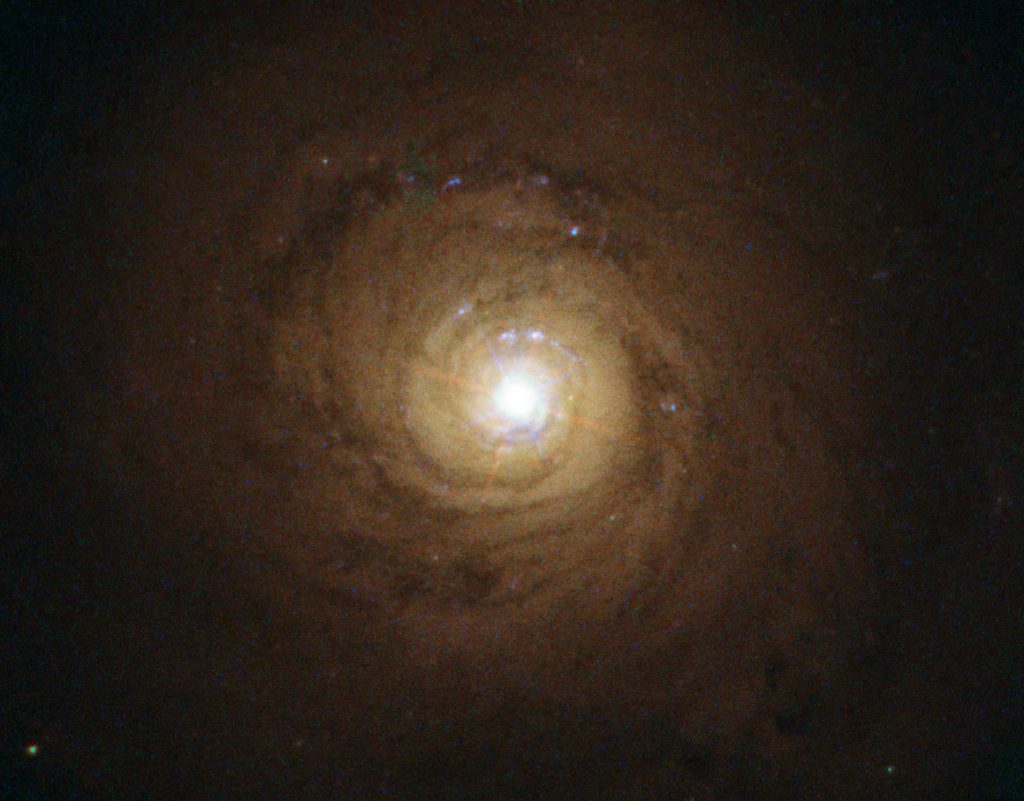
NGC 5548, which has a supermassive black hole at its center – the image credits go to ESA/NASA Hubble telescope. A clumpy gas stream is flowing outwards, blocking 90% of the X-ray emission of the supermassive black hole at the center. Benchamrks such as this system provide insights into how supermassive black holes interact with their host galaxies.

Boötes void is another particular feature of this constellation. 250-million-light-year in diameter, this huge space is devoid of any galaxies and it is 700 million light-years from Earth.  
Hydra Star Constellations Astronomy Information

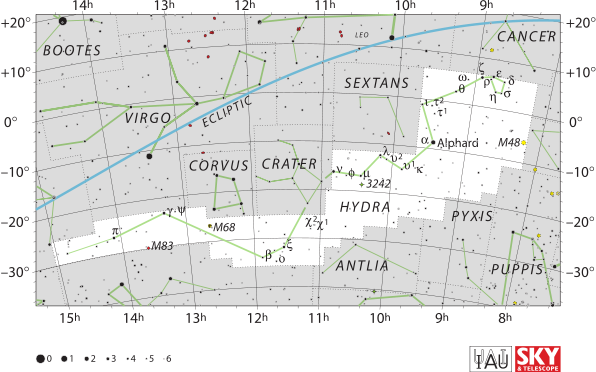
Hydra (the sea serpent) constellation is the largest among all the 88 modern constellations, 1303 square degrees wide and 100 degrees long. Although large, it does not contain any particularly bright star of the night sky.  Alphard (an orange giant), is a moderately bright star, followed by  Gamma Hydrae (a yellow giant), and  Beta Hydrae (a blue-white star). Epsilon Hydrae is a bright binary star, and  27 Hydrae is a triple star. Among its variable stars, we can name  R Hydrae, U Hydrae (a semi-regular variable star), and  V Hydrae (home to two exoplanets). GJ 357 contains three exoplanets, including one super-earth (GJ 357 d) lying in the star’s habitable zone.

The image credits go to IAU.

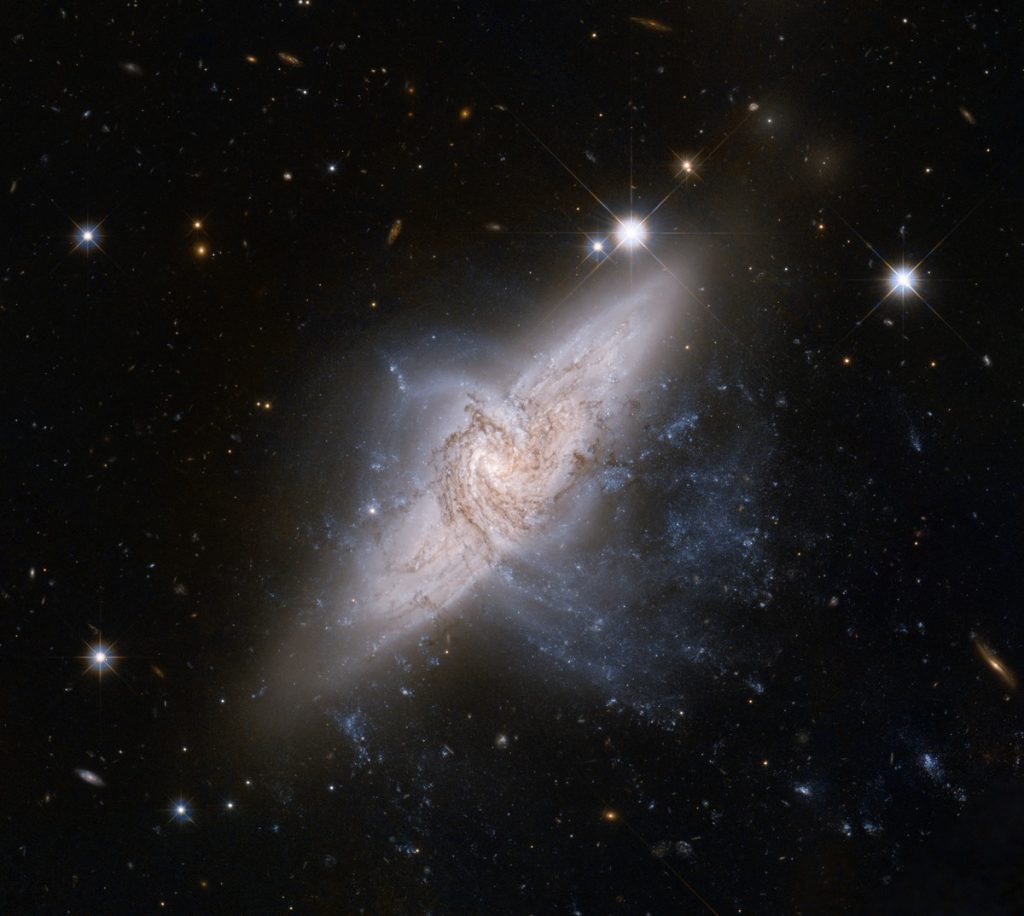
The Hydra constellation contains some deep-sky objects, among which is the spiral galaxy M83 (Southern Pinwheel galaxy).  M68 is a globular cluster in the vicinity of this galaxy. Other globular clusters of the cluster are:  M68 (NGC 4590) and  NGC 5694. Planetary nebulae NGC 3242 and Abell 33 also belong to this constellation. Its open cluster is M48 (NGC 2548). NGC 3314 is a particular case as it is composed of two galaxies that are not interacting but seem that way. ESO 510-G13 is a beautiful warped spiral galaxy, located 150 million light-years from Earth. There is also an important elliptical galaxy residing in this constellation named NGC 4993 in which two neutron stars merged and gave rise to several electromagnetic sources such as  GW170817GRB 170817A, and SSS17a.
M83 captured by ESA/NASA HST.
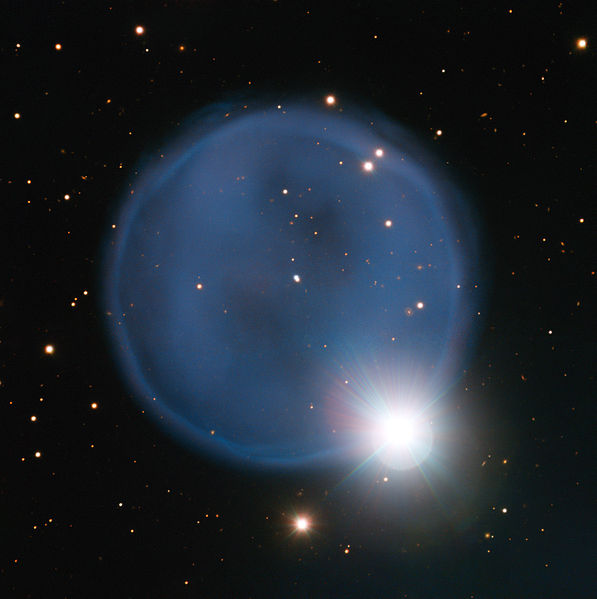
Abell 33 captured by ESO’s VLT.
Warped galaxy captured by ESA/NASA HST.

NGC 3314 captured by ESA/NASA HST.

Fornax Star Constellations Astronomy Information

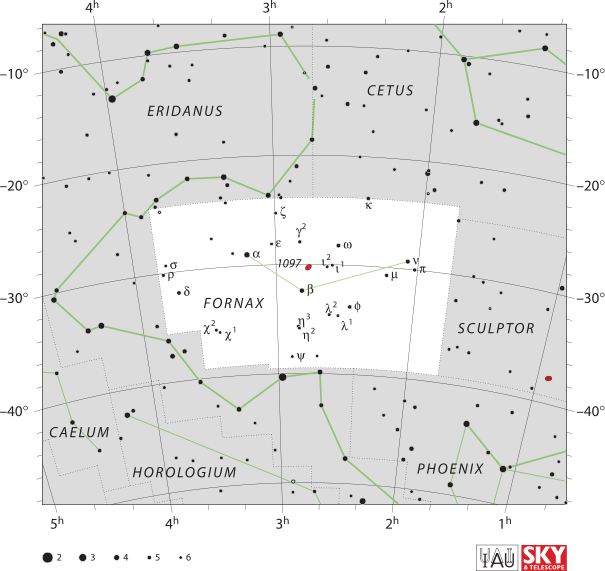
Fornax constellation was named for the first time by French astronomer Nicolas Louis de Lacaille in 1756, and its name signifies furnace in Latin. Its brightest stars are AlphaBeta, and Nu Fornacis (Alpha2 Canum Venaticorum variable which indicates the star’s strong magnetic field). Epsilon Fornacis is a binary star (located 104 light-years away from Earth), and Omega Fornacis is another binary star of the constellation (located 470 light-years away from Earth), while Kappa Fornacis is a triple star. There are also stars in this constellation that host planets: Lambda2 Fornacis (Sun-like star), HD 20868 (an orange dwarf), WASP-72 (a main-sequence star), HR 858 (hosts at least three planets), and HD 20781 and HD 20782 which are a Sun-like binary orbiting each other and each has a planet.

The image credits go to IAU.

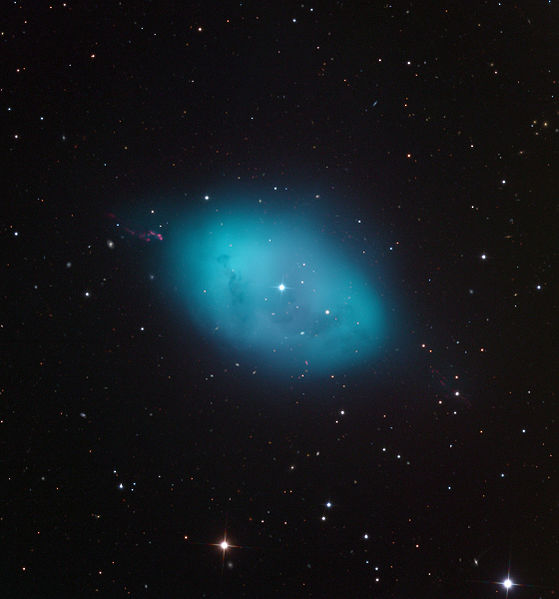
NGC 1360 (Robin’s Egg Nebula) is a planetary nebula residing in the Fornax constellation. As for the constellation’s other deep-sky objects, there is NGC 1049 which is a globular cluster, NGC 1097 (Caldwell 67) barred spiral galaxy, and Fornax dwarf galaxy. Fornax cluster which is a vast space filled with galaxies is another world of and in itself and encourage the reader to read more about it here.

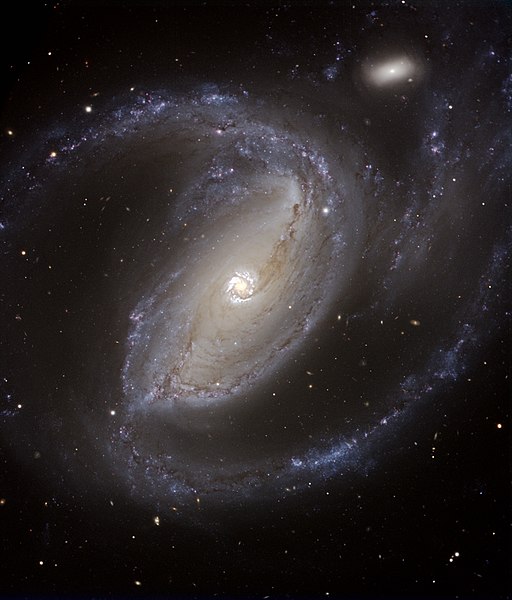
NGC 1097. The image credits go to ESO.
NGC 1360 (Robin’s Egg Nebula). The image credits go to the Mount Lemmon SkyCenter Schulman Telescope courtesy Adam Block.

Caelum Star Constellations Astronomy Information

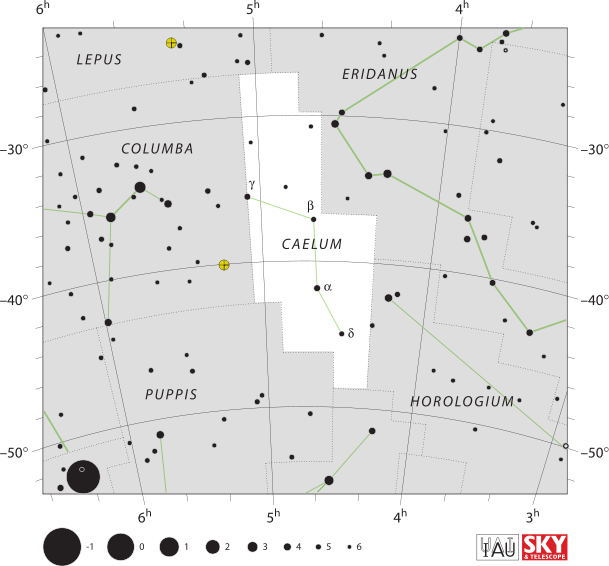
Caelum signifies Chisel in Latin and is listed among the 88 modern constellations by  Nicolas Louis de Lacaille in 1750s. It was also known as Caelum Sculptorium which means the engraver’s chisel. Sometimes it is mistaken for the word caelum is Latin which means sky, atmosphere, or heaven, but it is only a confusion although it seems to be a more relevant word for a constellation. As the eighth-smallest constellation, it is fairly dim in the night sky and relatively barren due to its distance from the plane of Milky Way. Alpha Caeli and Gamma Caeli are the two stars visible to naked eye with magnitudes brighter than 5.  RR Caeli is a binary star hosting a planet lying 65.7 light-years away from the parent star.  X Caeli and Delta Scuti variable are two other stars of this constellation that make up for an optical double (they seem close to each other as a double star but they are physically bound).

The image credits go to IAU.

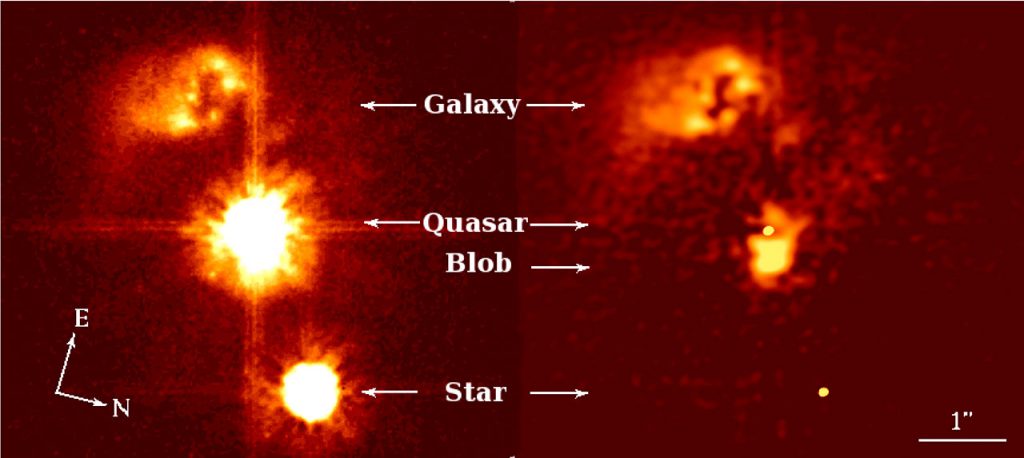
HE0450-2958 is a deep sky object in Caelum constellation, a Seyfert galaxy that is called a naked quasar or even homeless quasar because it is a quasar without a galaxy as its home. It also first appeared as an energetic jet without any galaxy to be associated with. It has been agreed to have a host galaxy after all, but too faint to be detected and perhaps outshone but the quasar.

(Left) HST image of the quasar HE0450-2958. Evidently, there is no host galaxy around the quasar. Only a star-forming companion galaxy is present at the top of the image. (Right) Same image as Left, after applying image sharpening. The quasar is again not at the centre of a host galaxy, but rather placed on the edge of a compact structure composed of gas, ionised by the quasar radiation. The image credits go to ESO.

Cancer Star Constellations Astronomy Information

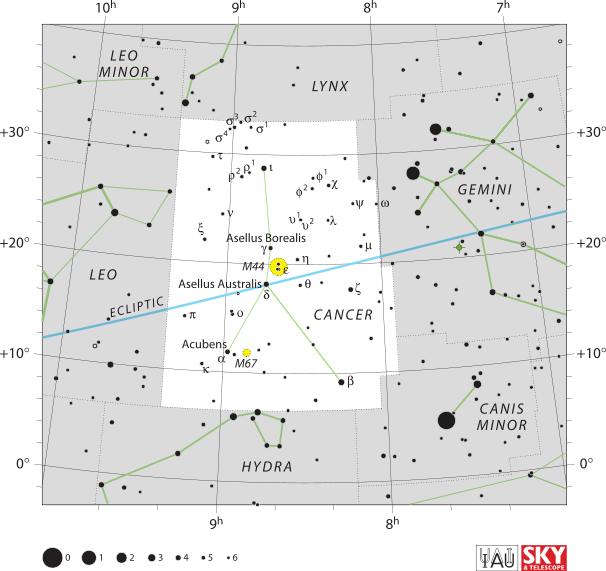
This is one of the most familiar constellations in the night sky, due to it being a zodiac sign and its name is known to signify crab in Latin – it is actually the second dimmest of the zodiacal constellations. Although it is a zodiac-sign assigned constellation, it is a medium-sized constellation with faint stars. 55 Cancri, is one of its well-known stars hosting five planets: a super-earth and four gas giants. The super-earth planet lies in the habitable zone with a temperature close to that of Earth. Praesepe (Messier 44) is located at the center of this constellation and is one of the closest open clusters to Earth.

The image credits go to IAU.

Cancer constellation enjoys a variety of stars. Beta Cancri (Tarf), is the brightest star of Cancer constellation, lying 300 light-years from earth. It is a binary star with a red dwarf companion.  Delta Cancri (Asellus Australis) is an orange-hued giant star. X Cancri is the reddest star in the night sky, and Gamma Cancri a white-hued subgiant (A1IV) with apparent magnitude 4.67. Iota Cancri is located 330 light-years away from earth and is a wide, double star.  Alpha Cancri (Acubens) is a multiple star system, the same as Zeta Cancri or Tegmine (the shell). Zeta Cancri is known so far to consist of at least four stars (82 light-years from Earth).

There are also a number of stars that host planets in this constellation. Plus the one we mentioned at the beginning, YBP 1194 hosts three planets and is a sunlike star (located in the open cluster M67 which is an open cluster located in Cancer constellation.