Author Archives: Author

Inner Experience and Spiritual Unity

Introduction: Mystical Experience as a Human Phenomenon

Across history and cultures, human beings have reported moments of profound inner transformation—experiences marked by a sense of unity, transcendence, and deep insight into reality. These moments are often described as encounters with the divine, ultimate truth, or an all-encompassing presence. Rather than belonging to any single religion or philosophy, such experiences appear wherever humans turn inward in search of meaning.

Mystical experience occupies a unique space between religion, philosophy, and psychology. It does not rely on belief alone, nor does it depend entirely on ritual or doctrine. Instead, it emerges from direct inner awareness, often reshaping a person’s understanding of self, world, and purpose. In a modern world increasingly shaped by technology and external stimulation, this inward dimension continues to draw renewed attention.

What Is Meant by Mystical Experience?

Mystical experience can be understood as an immediate awareness of reality that feels deeper and more fundamental than ordinary perception. Individuals often report a powerful sense of presence, clarity, or unity that transcends everyday thought patterns. Unlike intellectual insight, this form of knowing is experiential—it is felt rather than reasoned.

Such experiences are frequently described as difficult or impossible to express in words. Language, shaped to describe objects and actions, struggles to convey states of consciousness where distinctions between subject and object dissolve. As a result, mystics across cultures resort to poetry, metaphor, paradox, or silence when attempting to communicate what they have encountered.

Recurring Characteristics Across Cultures

Despite vast cultural differences, reports of mystical experience share several recurring characteristics. One of the most notable is a sense of unity, where the boundary between the individual self and the wider reality appears to dissolve. This unity is often accompanied by intense peace, joy, or awe.

Another common feature is a perception of profound insight. Individuals frequently feel that they have encountered a deeper truth about existence—one that feels self-evident and authoritative, even if it cannot be logically explained. These experiences are usually brief, yet their impact can be long-lasting, influencing values, behavior, and worldview.

The Inner Journey and Transformation

Mystical experience is rarely portrayed as accidental or trivial. In many traditions, it is preceded by a period of inner struggle, self-examination, or detachment from habitual patterns. This process often involves confronting fear, doubt, or a sense of emptiness as old identities and assumptions loosen their grip.

Through this inner refinement, individuals become more receptive to transformative insight. When mystical awareness arises, it is frequently described as something received rather than achieved—a gift rather than a conquest. This sense of passivity reinforces the idea that such experiences emerge when the ego loosens its control.

Mysticism and Religious Traditions

While mystical experience often arises within religious contexts, it consistently stretches beyond formal structures. Religious traditions provide language, symbols, and practices that help individuals interpret and integrate inner experiences. However, mysticism itself often challenges rigid interpretations and encourages a more direct, personal relationship with the sacred.

Throughout history, mystics have sometimes stood at the edges of their traditions, respected for their insight yet viewed with suspicion for their independence. This tension highlights an important distinction: religion organizes communal belief, while mysticism emphasizes personal realization.

Eastern and Western Approaches to Inner Awareness

Different cultures have developed distinct approaches to cultivating mystical awareness. In many Eastern traditions, meditation and disciplined attention play a central role. Through sustained practice, individuals learn to observe thoughts, emotions, and sensations without attachment, gradually uncovering a deeper layer of awareness.

Western mystical paths have often emphasized devotion, surrender, and ethical purification. Here, transformation is framed as a movement toward alignment with a higher reality or divine will. Despite these stylistic differences, both approaches aim at transcending the narrow sense of self that obscures deeper perception.

The Role of Symbolism and Paradox

Because mystical experience defies straightforward description, symbolic language becomes essential. Light and darkness, fire and water, ascent and descent—these images recur across cultures as attempts to gesture toward what lies beyond conceptual thought. Paradox is especially common, as mystics attempt to convey truths that appear contradictory at the level of ordinary logic.

Rather than offering explanations, symbols function as invitations. They point the mind toward an experience that must be entered rather than understood intellectually. This symbolic approach distinguishes mystical discourse from philosophical argument or doctrinal instruction.

Mysticism and the Study of Consciousness

In recent decades, the study of consciousness has brought renewed interest to mystical experience. Psychologists and neuroscientists have begun examining how altered states of awareness affect perception, emotion, and cognition. Research suggests that mystical-type experiences can lead to measurable changes in well-being, empathy, and openness.

Institutions such as the Johns Hopkins Center for Psychedelic and Consciousness Research have explored how certain controlled conditions can occasion experiences with features similar to classical mysticism. While scientific frameworks differ from spiritual interpretations, both acknowledge the transformative potential of these states.

Mysticism Beyond Religion

In contemporary society, many individuals who do not identify with organized religion still report experiences that align with mystical descriptions. Moments of profound connection in nature, deep artistic immersion, or intense contemplative practice can evoke similar qualities of unity and insight.

This suggests that mystical experience may be rooted in universal aspects of human consciousness rather than specific belief systems. Spiritual traditions can nurture and interpret these experiences, but they do not monopolize them. This perspective helps explain the growing interest in secular mindfulness, contemplative practices, and spiritual-but-not-religious identities.

Ethical and Psychological Implications

Mystical experience is not merely about altered perception; it often carries ethical consequences. Individuals frequently report increased compassion, reduced fear of death, and a stronger sense of responsibility toward others. These shifts arise naturally from the felt experience of interconnectedness.

From a psychological standpoint, such changes can contribute to resilience and meaning-making. However, integration is crucial. Without grounding and reflection, intense inner experiences can lead to confusion or imbalance. Many traditions emphasize the importance of guidance, community, and ethical practice to support healthy integration.

Criticism and Skepticism

Mysticism has not escaped criticism. Skeptics argue that mystical experiences can be explained entirely through brain chemistry, cultural conditioning, or psychological projection. Others caution against elevating subjective experience above reason or shared ethical frameworks.

These critiques play an important role in maintaining balance. At the same time, the persistence and cross-cultural consistency of mystical reports suggest that they represent a genuine dimension of human experience worthy of careful study rather than dismissal.

Why Mystical Experience Matters Today

In an age marked by fragmentation, polarization, and rapid technological change, mystical experience offers a counterpoint rooted in unity and depth. By shifting attention from external identities to inner awareness, it encourages humility, empathy, and openness.

Rather than providing answers to every question, mysticism reframes how questions are held. It invites individuals to engage reality with curiosity rather than control, presence rather than certainty. This orientation has implications not only for spirituality, but for ethics, education, and mental health.

Conclusion: An Inner Dimension of Human Life

Mystical experience represents one of humanity’s most enduring and intriguing capacities: the ability to encounter reality directly at a level beyond ordinary thought. Across cultures and centuries, people have described remarkably similar inner transformations, suggesting a shared dimension of consciousness.

Whether interpreted through religious, philosophical, or psychological lenses, mysticism continues to illuminate the depths of human awareness. It reminds us that beneath doctrines, identities, and ideologies lies an inner terrain still waiting to be explored—one that has the power to transform how we understand ourselves and our place in the world.
Cordyceps Fungi: Nature’s Parasitic Powerhouse with Health Benefits

Cordyceps Fungi: Nature’s Parasitic Powerhouse with Potential Health Benefits

Cordyceps is a genus of parasitic fungi known for its unique lifecycle and potential medicinal properties. With over 400 identified species, these fungi primarily target insects and other arthropods, infiltrating their hosts and eventually replacing the host tissue with their own. This intriguing process has fascinated scientists and traditional medicine practitioners alike.

Lifecycle and Parasitic Nature

The lifecycle of Cordyceps begins when its spores attach to a suitable host, such as an insect larva. The fungus then invades the host’s body, gradually consuming it from within. As the host succumbs, the fungus produces a fruiting body that emerges from the host’s remains, releasing spores to infect new hosts. This parasitic behavior has earned Cordyceps the moniker “zombie fungus.”

Traditional Uses and Medicinal Potential

In traditional Chinese and Tibetan medicine, Cordyceps has been used for centuries to treat various ailments, including fatigue, cough, and kidney dysfunction. Modern research has identified several potential health benefits associated with Cordyceps consumption:

1. Enhancing Exercise Performance

Studies suggest that Cordyceps may improve exercise performance by increasing the body’s production of adenosine triphosphate (ATP), essential for delivering energy to muscles. This boost in energy production can enhance stamina and reduce fatigue during physical activity. [Healthline]

2. Anti-Aging Properties

Antioxidants present in Cordyceps may help combat oxidative stress, a factor in the aging process. By neutralizing free radicals, these antioxidants could potentially slow down aging and prevent age-related diseases. [Healthline]

3. Potential Anti-Cancer Effects

Research indicates that Cordyceps may inhibit the growth of cancer cells by disrupting their growth signals without harming healthy tissues. This property suggests that Cordyceps could serve as a complementary treatment alongside conventional cancer therapies. [The Scottish Sun]

4. Managing Type 2 Diabetes

Cordyceps has been found to mimic the action of insulin, helping to lower blood sugar levels. This effect could be beneficial for individuals managing type 2 diabetes, although more human studies are needed to confirm this potential. [Healthline]

5. Heart Health

Some studies have shown that Cordyceps can decrease bad LDL cholesterol levels and reduce the risk of heart disease. Additionally, it may help prevent arrhythmias, contributing to overall cardiovascular health. [Healthline]

Consumption and Safety Considerations

Cordyceps can be consumed in various forms, including powders, capsules, and tinctures. It’s essential to choose high-quality, organic products to ensure safety and efficacy. While generally considered safe, some individuals may experience side effects or interactions with other medications. Consulting with a healthcare provider before incorporating Cordyceps into your regimen is advisable. [Cleveland Clinic]

Conclusion

Cordyceps fungi, with their unique parasitic lifecycle and potential health benefits, offer a fascinating glimpse into the intersection of nature and medicine. While traditional uses and preliminary studies highlight promising advantages, further research is necessary to fully understand and validate these benefits. As with any supplement, it’s crucial to approach Cordyceps with informed caution, ensuring that its incorporation into health practices is both safe and effective.

Tags

cordyceps, medicinal fungi, traditional medicine, health benefits, parasitic fungi

Meta Description

Explore the unique lifecycle and potential health benefits of Cordyceps fungi, known for their parasitic nature and medicinal properties.

Slug

cordyceps-fungi-health-benefits

References

Geminids Meteor Shower Informationq

Geminids Meteor Shower Information

When does Geminids Shower occur?


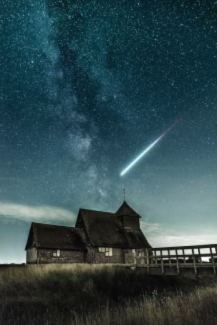
The Geminids meteor shower, which occurs between December 4 and December 17, is often regarded as the yearly meteorite shower a stargazer can witness. From 8 p.m. until 4 a.m., it is aired a live stream from a fireball camera at NASA’s Marshall Space Flight Center in Huntsville, Alabama, of a shower’s peak on Dec. 14-15 (changed dates from 13-14 due to weather).

3200 Phaethon, the Geminids’ parent, is both an asteroid or a lost comet, depending on who you ask. As soon as Earth passes over 3200 Phaethon’s dust trails or meteoroids, the dust burns up in the Earth’s atmosphere, resulting in the Geminids star shower.

What conditions need to satisfy for Geminids showers?

Because the shower’s peak coincides with an almost new moon, there will be deeper skies and no radiance to wash off the dimmer meteors, the Geminids Meteor Shower rate will be even better this year. The peak will occur from midnight of December 13 toward the morning of December 14, with some meteor action seen in the days leading up to and thereafter.

Where is Geminids shower orbit?


The orbits of every meteor connected with a shower are similar, and they appear to originate from the same spot in the sky, known as the radiant. The term “Geminids” comes from the fact that the Geminids Meteor Shower resemble to radiate from a point in the constellation Gemini.

What is the Geminids Shower trajectory?


What is the speed of Geminids? Geminids have a top speed of 78,000 mph (35 km/s). This is more than 1000 times quicker than a cheetah, 250 times faster than the world’s fastest car, and more than 50 times faster than a speeding bullet!

What is the best way to view Geminids Showers?


An infographic on the Geminids Meteor Shower based on meteor camera data from 2019. NASA is to thank for this. What is the best way to see the Geminids? Get away from strong lights, lie down on your back, and stare up if it’s not cloudy. Allow your eyes to acclimate to the darkness; you’ll see more meteors in this process. Please note, that this procedure can take up to 30 minutes. Don’t gaze at your phone screen at night because it will obstruct your eyesight!

Meteorites Fireballs can be observed throughout the sky in general. Avoid looking at the radiant since meteors near it have a small trajectory and are easy to miss. Try to trace a meteor backward when you see it. There’s a strong probability you’ve spotted a Geminid if you find yourself in the constellation of Gemini.

In December, how many Geminids might watchers expect to see?


For observers in the boreal hemisphere, their predicted rate is closer to 65 meteors per hour. At the peak of the shower, expect to see an average of one to two Geminids per minute over hazy skies. Watchers in the southern territory will view fewer Geminids than those in the northern hemisphere, with down as low as 25% of northern hemisphere rates, depending on latitude.

Coma Berenices Star Constellations Astronomy Information

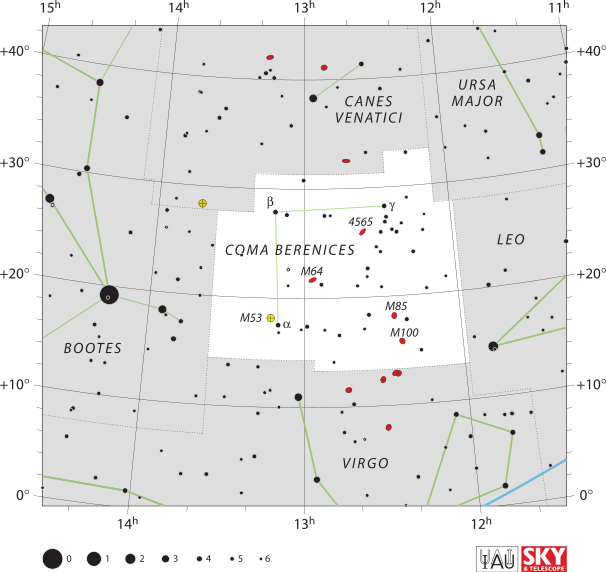
Coma Berenices means Berenice’s Hair in Latin, referring to the Queen Berenice II of Egypt. The main stars of the constellation are  Alpha, Beta, and Gamma Comae Berenices among which Beta is the brightest. Gamma Comae Berenices (15 Comae Berenices) lies 169 light-years from Earth and is an orange-hued giant star. The rich galaxy cluster, Coma Cluster, is located in this constellation. This is a whole another world and I advise you to read about this cluster here. Fun Fact: it was after observing Coma Cluster that Fritz Zwicky came up with the idea of dark matter – or that galaxies contain more mass than their visible, measurable mass. The giant, low surface brightness galaxy Malin 1 resides in this constellation. FK Comae Berenices is a variable star of the constellation and the Supernova SN 1940B which is the first type II supernova was observed in Coma Berenices.

The image credits go to IAU.

For the multiple stars residing in the constellation, we have  21 Comae Berenices which is a close binary.  Coma Cluster is known to have eight spectroscopic binaries so far. The constellation itself has over thirty double stars, over 200 variable stars, and seven eclipsing binaries named CCDDEKRWRZSS, and UX Comae Berenices. HD 108874  and WASP-56 are the two stars hosting planets in this constellation. Coma Berenices also owns three globular clusters: M53 (NGC 5024), NGC 4147, and NGC 5053.

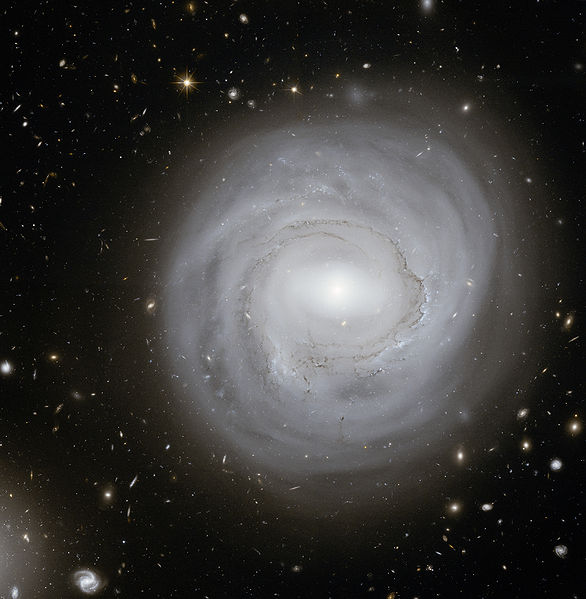
Due to being a part of Coma and Leo clusters and Virgo cluster, Coma Berenices contains a large number of galaxies. Some large elliptical galaxies such as NGC 4874 and NGC 4889 also reside in this constellation. The black hole at the center of NCG 4889 is one of the most massive black holes ever known (21 billion solar masses).  NGC 4921 is the brightest spiral galaxy of the constellation. Here we only name some of these galaxies which are more particular in features.

 NGC 4921 captured by HST.

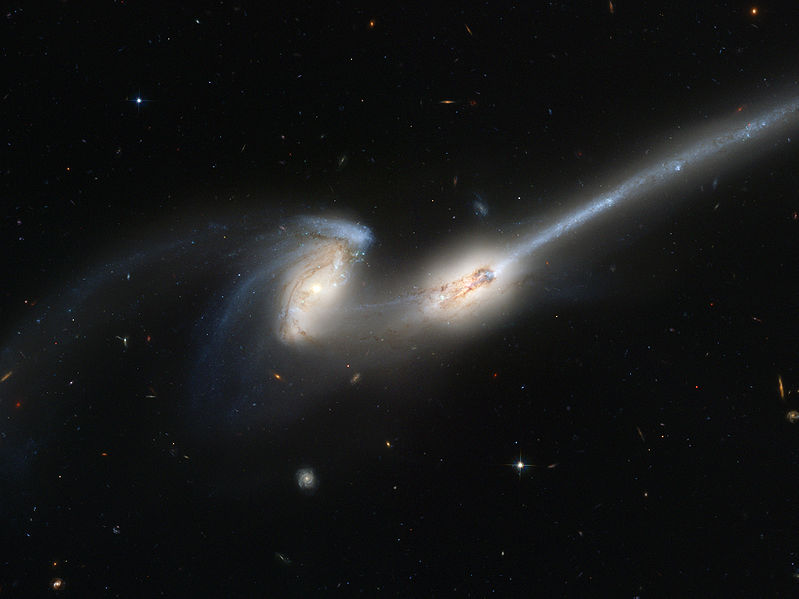
One of the interesting galaxies of this constellation is Mice galaxies located 300 million light-years from Earth which is composed of interacting galaxies. This encounter resulted in triggering star formation in both galaxies involved with long tails of dust, stars, and gas.

Mice galaxies captured by Hubble Space Telescope.

M85 (NGC 4382) is a lenticular/elliptical galaxy belonging to Virgo cluster, and it is interacting with the barred spiral galaxy NGC 4394.

NGC 4394 is a barred spiral galaxy (55 million light-years from Earth, located in the Virgo Cluster). The image credits go to ESA/NASA Hubble Space Telescope.

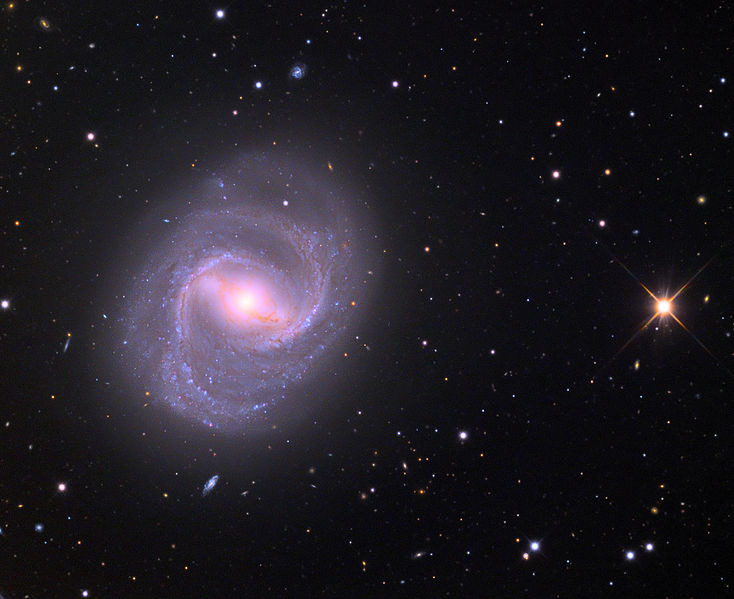
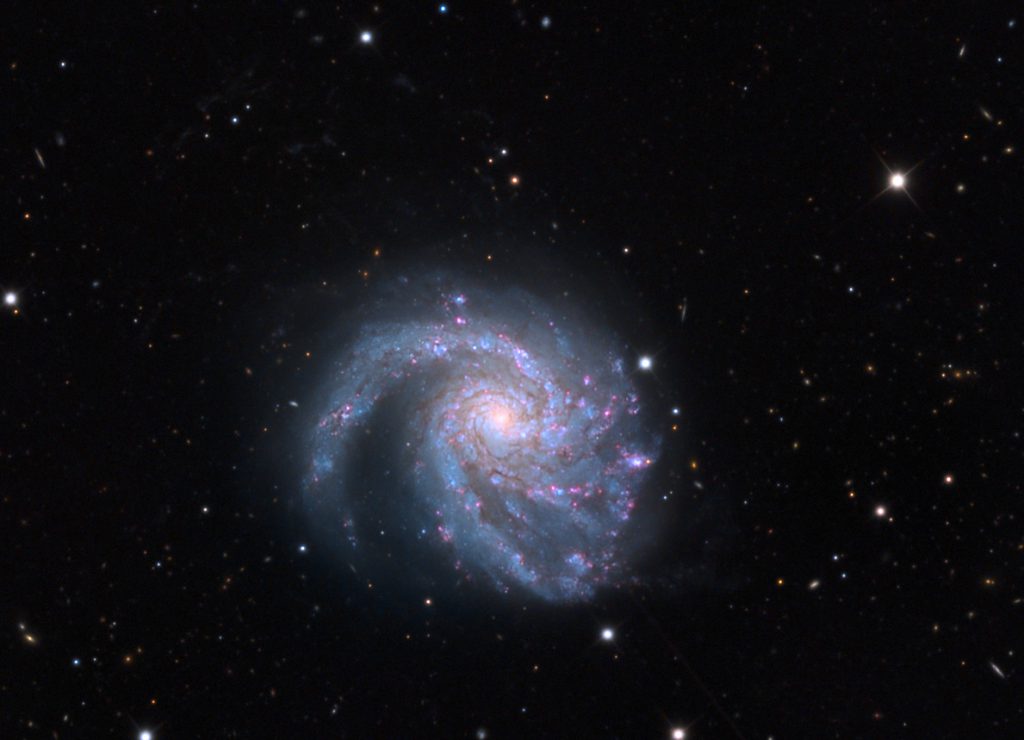
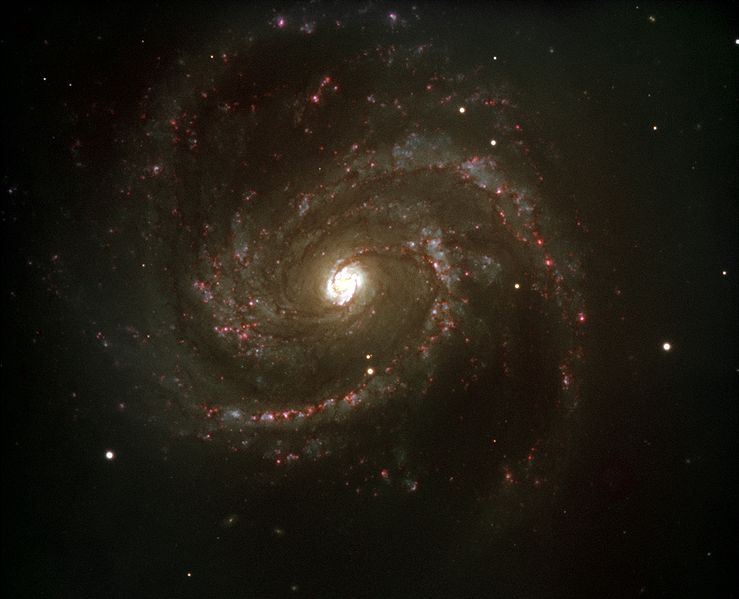
M88 is another spiral galaxy belonging to Virgo cluster. M91 is a barred spiral galaxy of this cluster, and M98 is an elongated spiral galaxy of this cluster. M99 and M100 are two other spiral galaxies residing in this cluster.

M88. The image credits go to ESA/NASA Hubble Space Telescope.
M91, a barred spiral galaxy captured by Hubble Space Telescope.
M99 captured at the Mount Lemmon SkyCenter.
M100 captured by ESO/VLT.

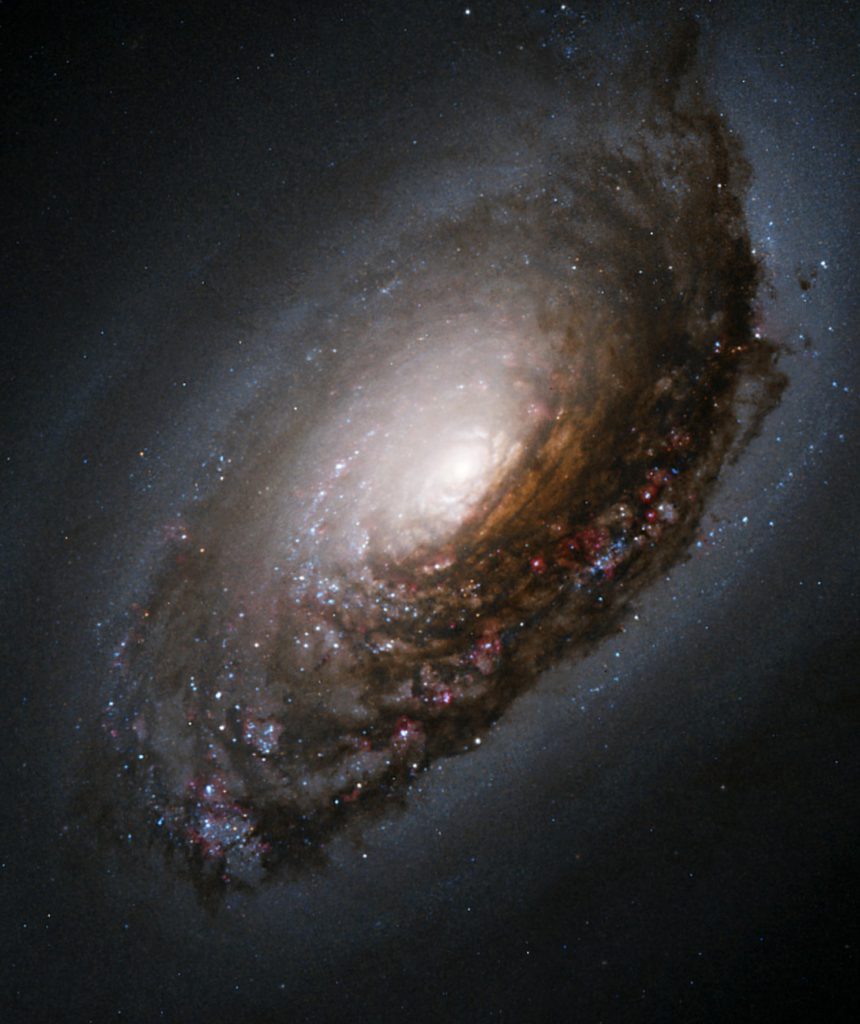
M64 is one of the most beautiful galaxies of Coma Berenices, which is also called the Black Eye Galaxy due to its long, dark dust lane covering most of it.

M64 or the black eye galaxy. Image credits go to NASA.

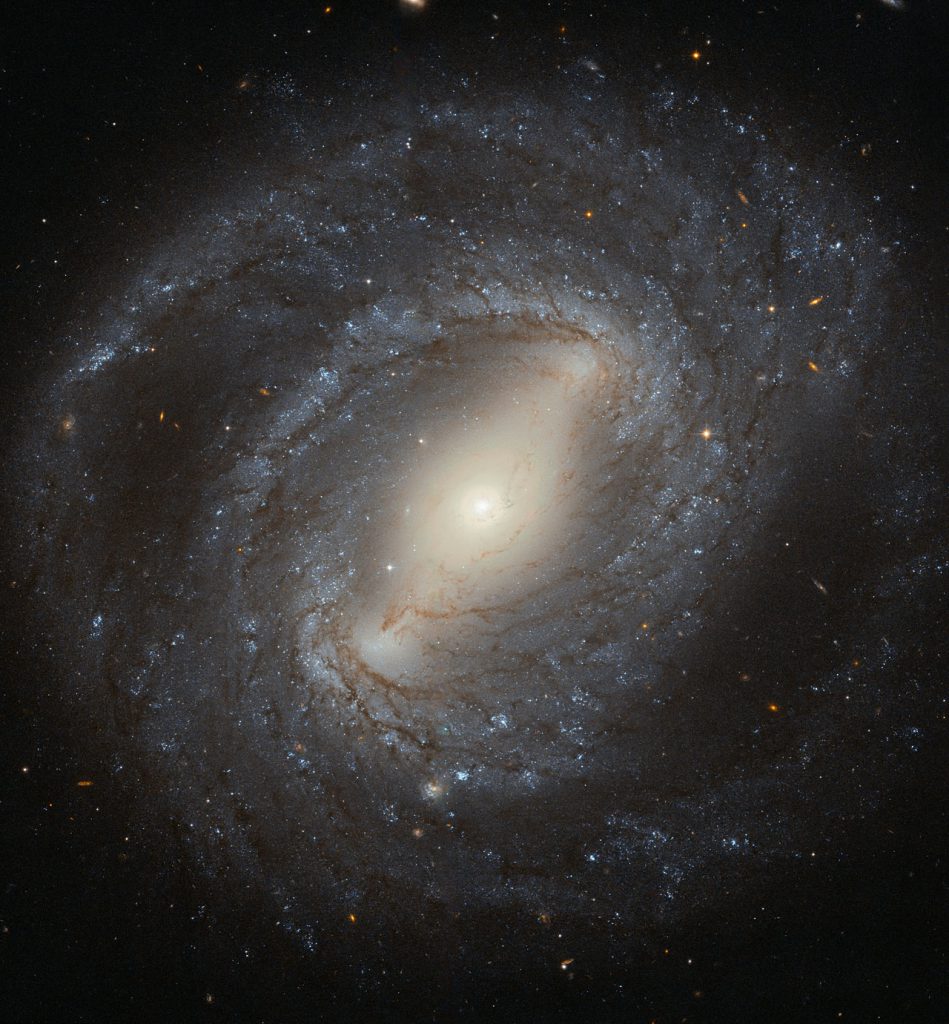
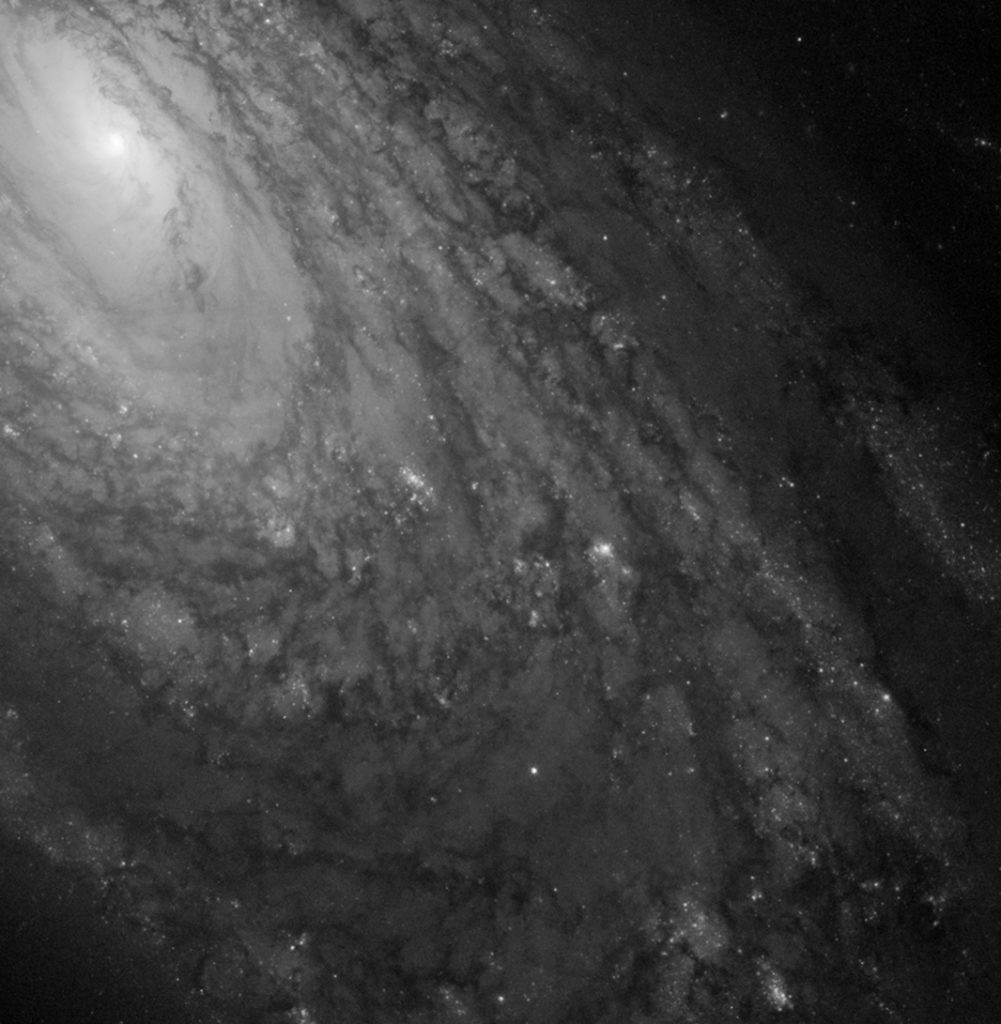
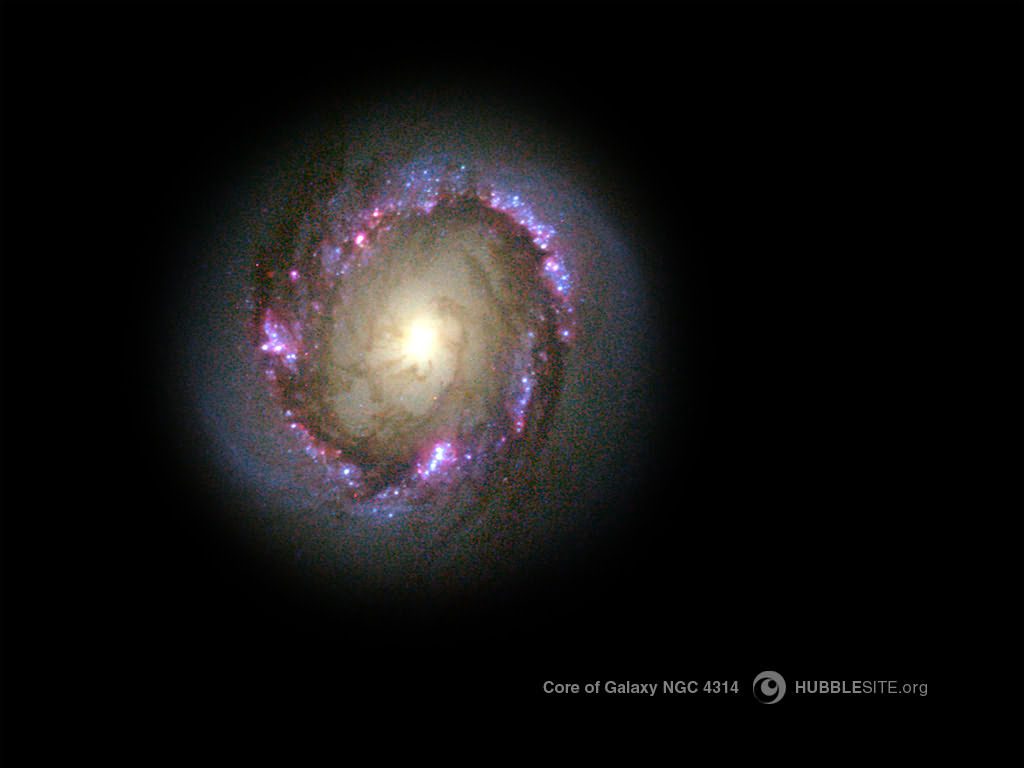
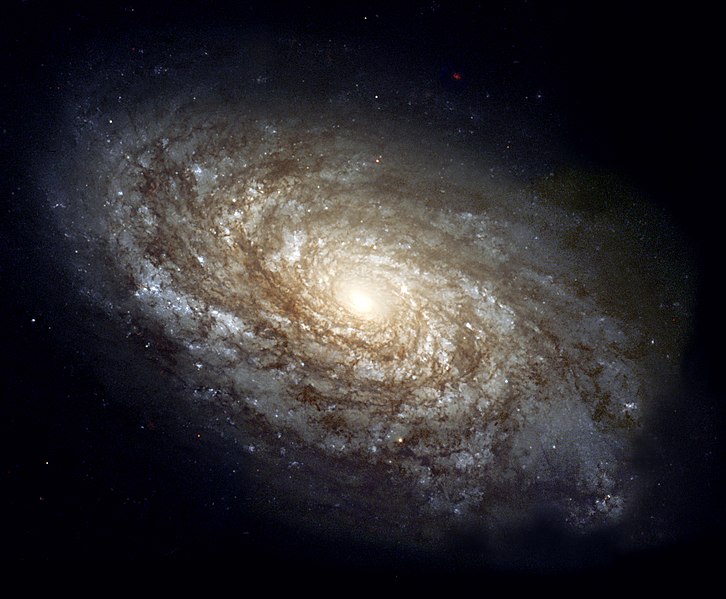
NGC 4314 is another beautiful galaxy (a barred spiral galaxy) located in Coma Berenices. NGC 4414 is, on the other hand, an unbarred spiral galaxy.

NGC 4314 captured by ESA/NASA HST.
NGC 4414, an unbarred spiral galaxy captured by ESA/NASA HST.

Musca Start Constellations Astronomy Information

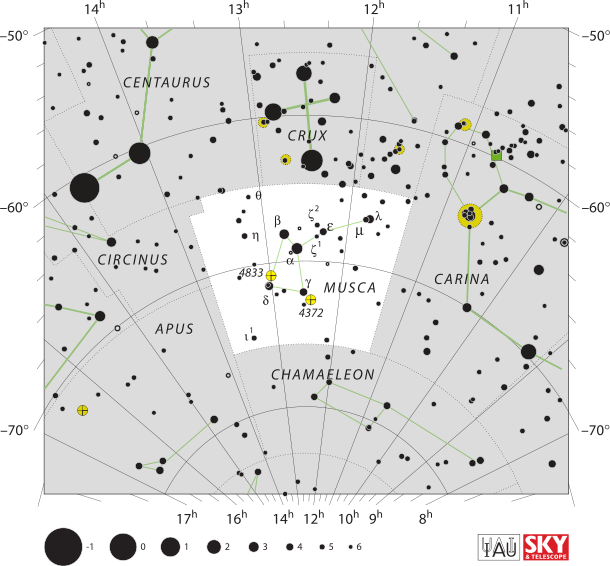
Musca (fly in Latin), is a small constellation. The stars, namely, are  AlphaGamma, Beta,  Zeta2, and (probably) Eta the Muscae, plus HD 100546. The last star contains a debris disk, and another object which can be either a big planet or a brown dwarf. Among its multiple stellar systems, Theta Muscae is a triple system, and TU Muscae and  GQ Muscae are two binary stars. R Muscae and S Muscae are two classical Cepheid variables. GR Muscae is an X-ray source composed of a neutron star and another star. The three stars that host exoplanets in this constellation are  HD 111232 (orbited by a planet of 6.8 Jupiter masses),  HD 112410 (has a planet of 9.2 Jupiter masses), and HD 100546 (a blue-white Herbig Ae/Be star).

Image credits go to IAU.

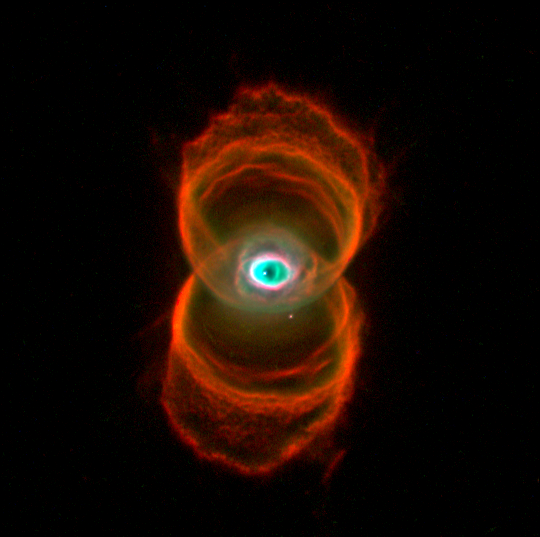
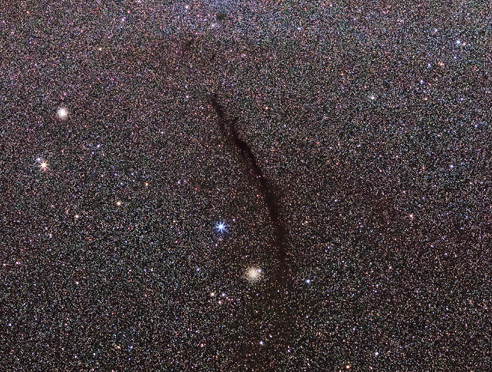
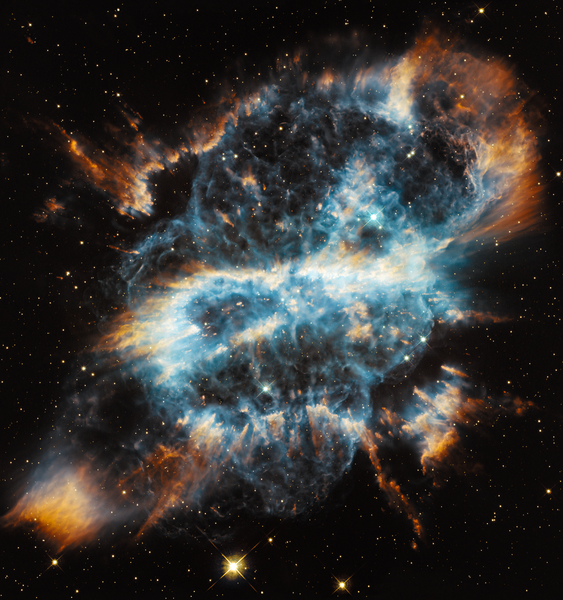
As for its deep-sky objects, there are the planetary nebulae NGC 5189,  IC 4191,  NGC 4071,  Coalsack Nebula, Dark Doodad Nebula, and Engraved Hourglass Nebula. There are also the globular clusters NGC 4833 and  NGC 4372.

Engraved Hourglass Nebula captured by ESA/NASA HST.
Dark Doodad Nebulae captured with a Canon EOS 5D Mark II and 135 mm f/2L lens at f/4 and ISO 3200 on an Astrotrac equatorial mount.

NGC 5189 captured by ESA/NASA HST.